


 £ GBP
£ GBP
 € Euro




 Algarve Travel Guide
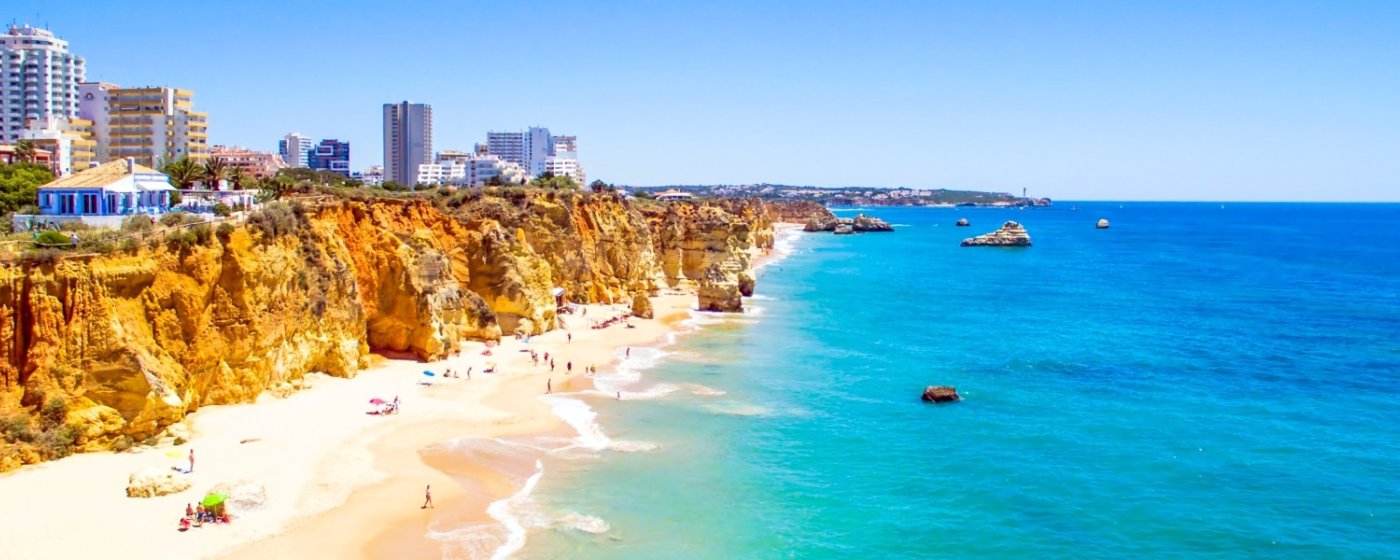
Sun-warmed cliffs. Little coves tucked beneath limestone rock. Fishing towns where lunch stretches happily into the afternoon. The Algarve packs plenty into Portugal’s southern coast.
And there’s an Algarve for almost every kind of holiday. You can surf Atlantic waves, slow things down beside the Ria Formosa, spend days exploring with the family or simply enjoy your private pool.
Our Algarve travel guide will help you decide when to go, where to stay and what to do once you arrive.
 Interactive Island Map
At a Glance: Main Regions in the Algarve
The Algarve changes as you travel from east to west. Choose the right base and you can spend less time travelling and more time doing what you love.
| At a Glance | Western Algarve | Central Algarve | Eastern Algarve |
|---|---|---|---|
| General conditions | Breezier, wilder and exposed to the Atlantic | Warm, sheltered and known for calmer coves | Flatter, quieter and shaped by lagoons and sandbanks |
| Best for | Surfing, walking and dramatic scenery | Families, first-time visitors and golf trips | Nature, island beaches and a slower pace |
| Good bases | Lagos, Sagres and Aljezur | Albufeira, Carvoeiro and Vilamoura | Faro, Olhão and Tavira |
| Holiday Highlights | Atlantic beaches, Ponta da Piedade and Cabo de São Vicente | Cliff-backed beaches, cave trips and coastal restaurants | Ria Formosa, local markets and ferry-accessed beaches |
 The Best Time to Visit the Algarve
With around 300 days of sunshine each year, the Algarve gives you plenty of reasons to visit beyond the height of summer.
- Spring, from March to May, is mild, quieter and ideal for walking, sightseeing and golf. Average temperatures sit around 18–23°C.
- Summer, from June to August, brings the heat. Expect around 29–35°C, lively resorts and busy beaches. Rain is very rare, making this a popular time for swimming, boat trips and family holidays.
- Autumn, particularly September and October, offers temperatures around 24–27°C. The sea remains warm enough for swimming through October, while quieter trails make this a lovely season for hiking.
- Winter, from November to February, is cooler at around 15–16°C. Most rainfall falls during this period, but mild days, quieter towns and busy golf courses give the Algarve plenty of off-season appeal.
Families tied to school holidays may favour summer. Walkers and golfers often prefer spring or autumn, while couples looking for a quieter escape may love the shoulder seasons.
 Getting to and Around the Algarve
Faro Airport is the Algarve’s main international gateway and a convenient starting point for most holidays.
Hiring a car gives you the most freedom. Set off when you fancy. Change plans halfway through the day. Follow a road towards a quieter beach or stop for lunch in a village you hadn’t planned to visit.
Many villas have private or nearby parking too, making car hire a practical choice. Just remember that some Algarve roads use electronic tolls. Speak to your car hire company about how these work before setting off.
Trains and buses connect major towns, including Faro and Lagos, and can work well for day trips. More remote beaches, villages and parts of the far west can be harder to reach.
Ferries and water taxis also cross sections of the coast and the Ria Formosa. Taxis are readily available in larger towns and popular resorts.
Approximate driving times from Faro Airport
- Vilamoura: 30 minutes
- Albufeira: 40 minutes
- Tavira: 40 minutes
- Carvoeiro: 50 minutes
- Lagos: 1 hour 15 minutes
Journey times are approximate and can vary with traffic and road conditions.
 Exploring the Algarve Coastline
Beaches
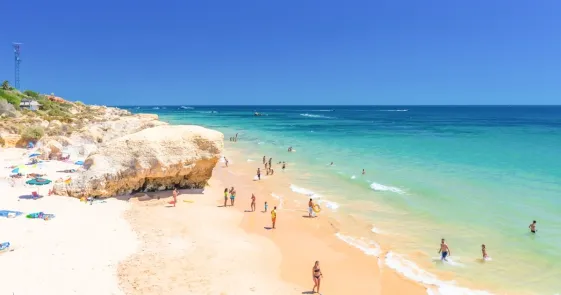
For sheltered swimming, look towards the central Algarve and its smaller coves. Long sandy beaches give you room for walks and watersports, while the west delivers surf and wide-open scenery.
Popular choices include Meia Praia, Praia de Odeceixe, Praia da Dona Ana, Ilha de Tavira, Praia do Barril and Praia do Amado.
Before choosing your beach, check the access. Some involve steep steps, slopes or unpaved paths.
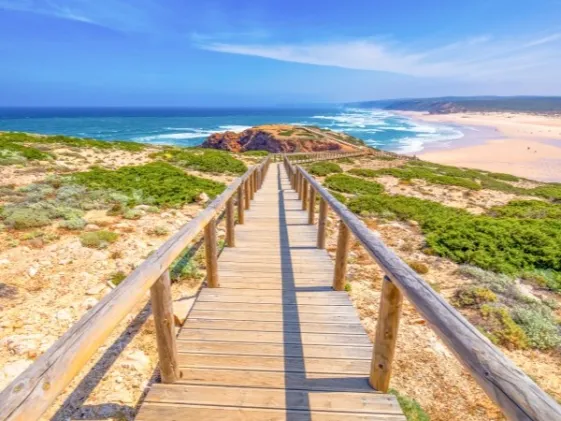
Look for seasonal lifeguard cover if you’re swimming, and bring drinking water. Shoes with a good grip are useful if you plan to walk along cliff paths.
Caves, Cliffs and Viewpoints
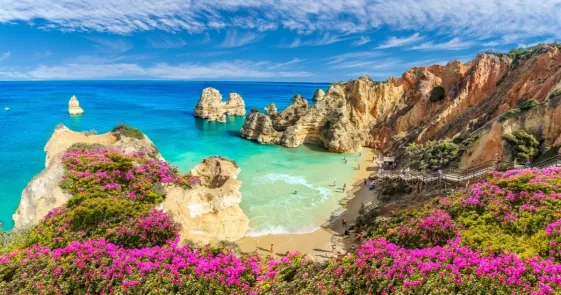
The Algarve’s limestone coast has been shaped into caves, sea arches and rock formations that look different with every change of light.
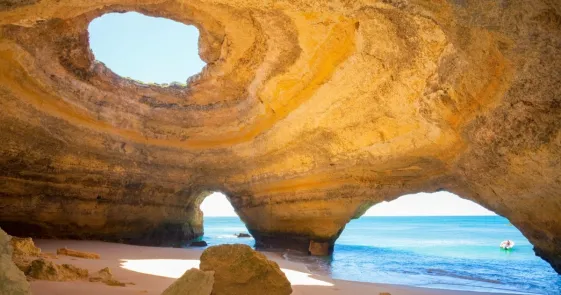
Benagil Cave is perhaps the best-known example. You’ll also find striking rock formations around Algar Seco, while Ponta da Piedade is famous for its cliffs, stacks and sea arches.
Further west, the landscape grows wilder around Sagres and Cabo de São Vicente.
Early mornings and later afternoons can be good times to explore viewpoints, particularly during warmer months. Stay behind safety barriers, keep away from unstable cliff edges and take extra care when paths are uneven.
Boat Trips and Coastal Adventures
Some of the Algarve’s most memorable coastal scenery is easiest to see from the water.
Cave and grotto trips leave from popular coastal towns including Lagos, Portimão and Albufeira. You’ll also find dolphin-watching trips, sailing excursions and catamaran cruises.
Fancy getting a little closer to the water? Try kayaking, paddleboarding, snorkelling, bodyboarding or windsurfing.
Surfing is a big part of life in the west. Sagres, Arrifana, Praia do Amado and Odeceixe are all associated with the Algarve’s Atlantic surf scene.
Further east, trips from Faro, Olhão and Tavira explore the lagoons and islands of the Ria Formosa. Fishing experiences are another option.
Prefer to stay on dry land? Follow part of the Fisherman’s Trail or explore the Southwest Alentejo and Vicentine Natural Park.
During school holidays and peak summer, book popular trips ahead. Pack sun cream, water and a hat, plus a light layer for breezier boat journeys. A waterproof pouch is handy for phones and valuables. If you’re prone to seasickness, plan for that too.
Algarve’s Main Towns
Lagos
Lagos mixes historic streets with a lively waterfront and easy access to the coast. Wander through the walled centre, small squares and traditional façades, then visit the Church of Santo António or a local museum. Ponta da Piedade and nearby beaches are close by too.
Try the old town in the morning, then finish with the waterfront or a late-afternoon coastal walk.
Faro
Don’t think of Faro as somewhere you simply fly into and leave. The Algarve’s regional capital has a lived-in feel, historic streets and direct access to the Ria Formosa.
Explore the walled Cidade Velha, Arco da Vila and cathedral area. You can also visit museums, churches and the unusual Chapel of Bones.
For half a day, combine the Old Town with lunch. Staying longer? Add a museum or boat trip into the Ria Formosa.
Sagres
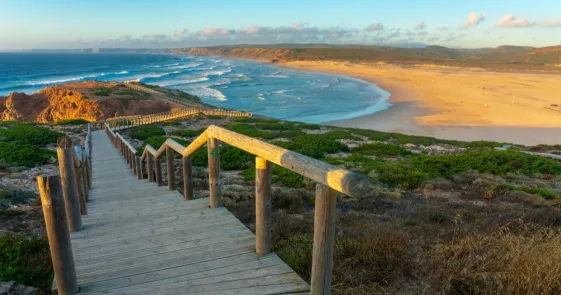
Sagres feels shaped by the Atlantic. Think open headlands, surfboards, low-key restaurants and skies that seem to stretch forever.
Visit Sagres Fortress, then allow separate time for Cabo de São Vicente. They’re different places and both deserve more than a rushed stop.
Sagres suits walkers, surfers and nature lovers particularly well. Evenings are quieter than in the Algarve’s bigger resorts.
Silves
Head inland and the Algarve changes again.
Silves is known for its hilltop castle, red sandstone walls, cathedral and views over the surrounding countryside. Its historic centre reflects the region’s Moorish past, while the Arade River runs below.
Pair your visit with a vineyard, countryside lunch or another inland village.
Tavira
Tavira invites you to slow down.
Cross its historic bridges, wander between churches and tiled buildings, then climb towards the castle remains and gardens for views over the town.
The river leads naturally towards the Ria Formosa, with ferries connecting you to Ilha de Tavira. It’s a lovely mix of historic town, lagoon and beach.
Smaller Towns and Villages
Once you’ve got a car, it’s worth making time for smaller places too.
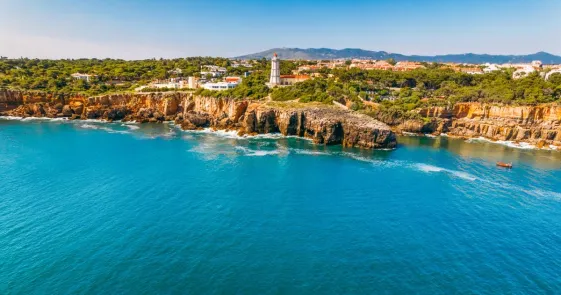
Carvoeiro works beautifully as part of a coastal walking day. Follow the boardwalk towards Algar Seco and stop at viewpoints along the way. The centre and beach are compact, although parking gets tighter during busy periods.
Ferragudo sits across the Arade from Portimão. Sloping streets lead towards its main square, while its fishing heritage lives on around the waterfront. Stop for lunch or an early evening meal beside the river.
Alte gives you a quieter inland escape. Wander through whitewashed lanes, see its natural springs and enjoy a slower rhythm away from the coast. It pairs well with a scenic drive through the countryside.
Cacela Velha is tiny, and that’s part of its charm. Take your time at the clifftop viewpoint, looking out over lagoon water and sandbanks. Visit respectfully rather than rushing in for a photograph and leaving.
Odeceixe needs more travel time from the central Algarve, but the scenery feels completely different. Its hilltop streets, river valley and nearby beach make it a rewarding stop on a western road trip.
 History, Markets and Traditions
Roman settlement, centuries of Moorish influence and Portugal’s maritime history have all left their mark on the Algarve.
Visit Silves Castle for Moorish history, Sagres Fortress for its maritime connections and dramatic setting, or Tavira Castle for views over the eastern Algarve. The Roman ruins at Milreu reveal an earlier chapter, while Faro’s Old Town brings together layers of religious and civic architecture.
You’ll spot traditional azulejo tiles across the region too.
Markets offer another glimpse of local life. Loulé Market combines distinctive architecture with produce and regional goods, with Saturdays bringing extra energy. Olhão Markets sit by the waterfront and are known for fish, seafood and fresh produce. Lagos Market is smaller and easy to combine with the old town.
Look out for cork, ceramics, woven baskets, almonds, figs, carobs, honey, salt and preserves.
The Algarve also has its own wine region. Vineyards can be found around Lagoa, Silves, Lagos and Tavira, with guided tastings covering reds, whites and rosés. Choose a favourite and take a bottle back to the villa for later.
 Eating Well in the Algarve
Come hungry.
The Algarve’s food takes its lead from the sea, local produce and a relaxed approach to mealtimes.
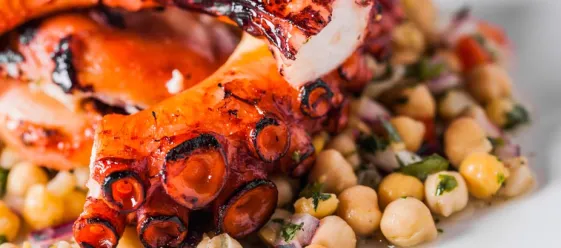
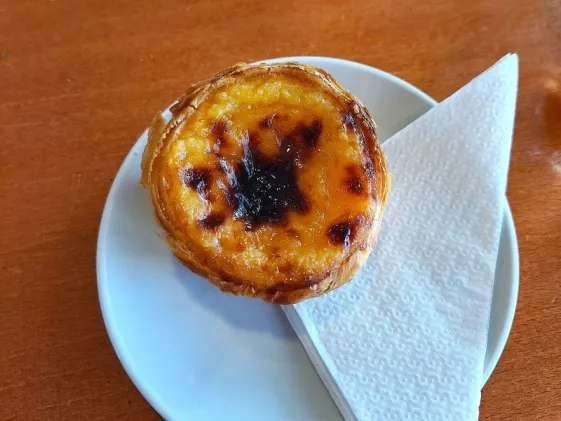
Try cataplana de marisco, a seafood stew cooked in its distinctive hinged pan, or grilled sardines. Clams, octopus and seafood açorda also feature on regional menus. For something sweet, look for treats such as Dom Rodrigo and Morgado.
Your holiday can be as relaxed or indulgent as you like. Pick up produce at a market and cook at the villa. Stop at a beach café for lunch. Settle in beside a river or harbour for seafood, or book somewhere special for an evening out.
During summer, reserve popular restaurants in advance. Dinner often starts later than many UK guests are used to, and smaller restaurants may close on certain days of the week.
 Planning an Algarve Villa Holiday
A villa gives you space to make the holiday your own.
There’s a private pool for lazy mornings. Outdoor space for long lunches. Room for family and friends. And no need to rush breakfast because somebody else decided when it ends.
The next step is choosing your base.
Lagos and the Western Algarve work well if you want beaches, boat trips, surf, restaurants and coastal walks. You’ll also be well placed for Sagres and Ponta da Piedade.
Carvoeiro, Lagoa and the Central Coast put cliff scenery and sheltered beaches within easy reach. They’re convenient for families and first-time visitors, with straightforward day trips towards Silves, Portimão and nearby beach towns.
Albufeira and the surrounding area suit guests who want plenty of restaurants, activities and family attractions. Stay outside the busiest central streets and you can enjoy a quieter villa base too.
Vilamoura, Vale do Lobo and Quinta do Lago are strong choices for golf, restaurants, marina life and polished resort facilities. They’re also convenient for Faro Airport. If golf is calling, take a look at our top golf break destinations in Europe.
Tavira and the Eastern Algarve offer a quieter pace, historic towns, lagoon scenery and island beaches. They’re ideal if the local atmosphere matters more to you than nightlife.
Sagres and the far west are made for surfing, walking and dramatic Atlantic scenery. It’s often cooler and windier here, with fewer conventional resort attractions.
Ready to Discover the Algarve?
The best Algarve holiday is the one that works at your pace.
Spend the morning swimming. Take a spontaneous road trip after lunch. Follow the smell of grilled fish towards a waterfront restaurant. Or stay exactly where you are, beside your own pool, with nowhere else you need to be.
Browse our Algarve villas, choose your favourite and start looking forward to Portugal.
Still planning? Discover more things to do in the Algarve.

Algarve Travel Guide FAQs
Yes. Families can choose from sheltered beaches, family-friendly resort areas and villas with private pools and plenty of space. Central Algarve areas can be particularly convenient. Check individual beach access before visiting, as some coves involve steps or steep paths.
Faro Airport is the Algarve’s main international airport and the most convenient gateway for much of the region. Central and eastern resorts are generally closer, while travelling to Lagos or the far west takes longer.
It’s a good idea during the summer and school holidays. Cave tours, dolphin trips and other popular excursions can fill up quickly. Booking ahead also gives you a better chance of choosing a departure time that fits your plans.
Sea temperatures vary through the year. Summer is the most popular time for swimming, and the ocean can remain warm enough to enjoy through October. Winter is much cooler, so conditions may not suit everyone.
It depends on the beach. Some have straightforward access, while others involve steps, slopes, cliff paths or unpaved tracks. Check before setting off, particularly if you’re travelling with young children or anyone with limited mobility.