


 £ GBP
£ GBP
 € Euro


The Complete Guide to Costa Brava
Rugged cliffs. Secret coves. Seafood lunches that somehow last three hours. Costa Brava doesn’t do boring.
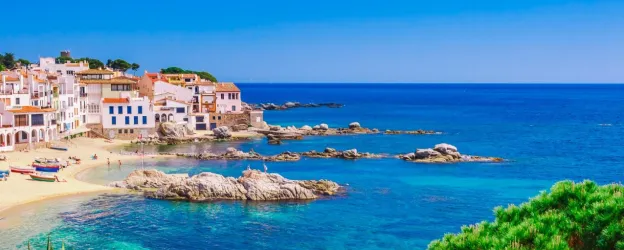
Stretching along the northeastern coast of Spain, from just north of Barcelona up towards the French border, this Catalan beauty spot is all pine-scented coastal paths, sleepy fishing villages and sea so clear you’ll be Googling snorkels before you’ve unpacked.
The name means “Rugged Coast”, and honestly, it makes perfect sense. This isn’t a flat, one-beach-and-done kind of place. Costa Brava is wild in all the right ways. Clifftop walks. Hidden bays. Medieval towns. Family-friendly resorts. Kayaks bobbing in tiny coves. Restaurants where the prawns arrive sizzling and the wine is cold enough to make you pause.
Travelling with little ones? Easy. You’ve got sandy beaches and water parks made for splash-filled afternoons. Craving something more active? Even better. Lace up your trainers for the Camí de Ronda, grab a paddleboard in Begur, or dive into the waters around L’Estartit.
As for the Costa Brava weather, summer is warm and sunny, with August bringing average highs of around 27°C. Spring and autumn are softer, quieter and perfect for walking, exploring and long lunches without the peak-season rush.
Contents |
Best Family Friendly Activities in Costa Brava |
Best Adventurous Activities in Costa Brava |
What to Eat in Costa Brava |
Hidden Hems in Costa Brava |
Where is Costa Brava?
Costa Brava is a coastal region in northeastern Spain. It sits in Catalonia and runs from Blanes, just north of Barcelona, up towards the French border.
So, if you’re picturing a neat little resort, think bigger. Costa Brava is a whole stretch of coastline, with towns, beaches, coves, natural parks and villages dotted along the way.
Girona is the nearest major city, while Barcelona is a popular arrival point for UK travellers. Fly in, pick up the car, turn up the air con and off you go. Holiday mode: activated.
Is Costa Brava in Barcelona?
No, Costa Brava isn’t in Barcelona.
It’s north of Barcelona and completely separate from the city. But it’s close enough that many travellers fly into Barcelona, spend a night there, then head up the coast.
Best Family-Friendly Activities in Costa Brava
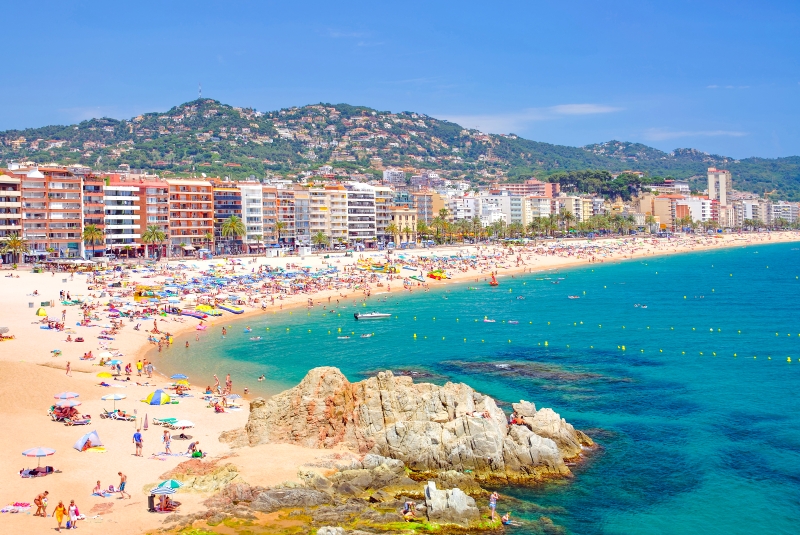
Water World, Lloret de Mar
Water World is one of those days that children will talk about all week. Big slides. Wave pools. Splash zones. That slightly chaotic joy of trying to keep track of everyone’s flip-flops.
It’s in Lloret de Mar, making it handy if you’re staying in the southern Costa Brava. Tickets for the 2026 season are available online through the park, and online tickets are valid for one day during the season.
Plan for a half day if you’ve got younger children. Go for a full day if your crew has endless energy. Spoiler: they probably do.
Marineland Catalunya
Can’t decide between a water park and an animal-themed day out? Marineland Catalunya gives you both.
You’ll find slides, pools and shows included in the ticket, so it’s a good all-rounder for families who want a bit of everything. Current online ticket options include one-day tickets from €14, flexitickets from €17 and family packs.
It’s in Palafolls, between Blanes and Malgrat de Mar. Take swimwear, towels and patience for the gift shop negotiations.
Marimurtra Botanical Garden, Blanes
Need a gentler day? Head to Marimurtra Botanical Garden.
Set high above the sea in Blanes, this is all winding paths, exotic plants and views that make everyone suddenly very interested in taking photos. The garden sits on steep cliffs and is known for its panoramic views over the coastline.
It’s best for a relaxed morning or late afternoon. There’s some walking, but nothing too intense. Pair it with lunch in Blanes and you’ve got yourself a very civilised family day.
Best Adventurous Activities in Costa Brava
Kayaking, paddleboarding and snorkelling
This is where Costa Brava really shows off.
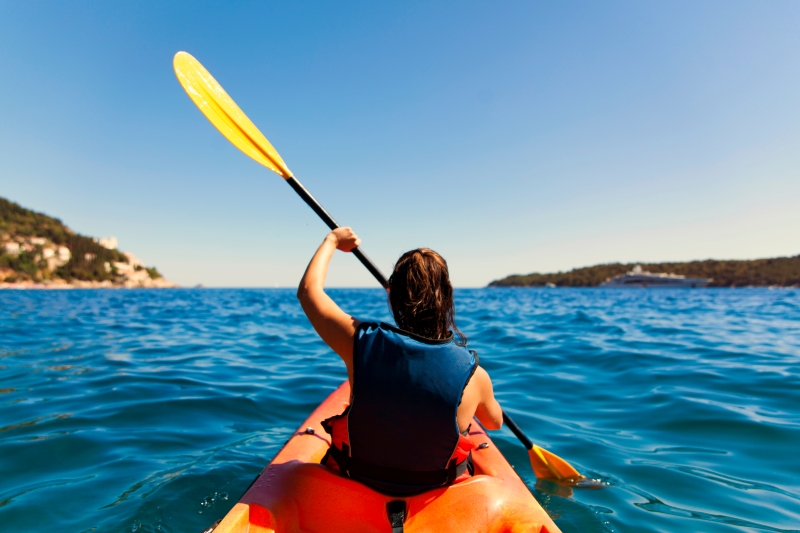
Around Begur, L’Estartit and the Medes Islands, the water is clear, calm in the right conditions and perfect for exploring by kayak or paddleboard. Paddle past rocky coves. Float over fish. Pretend you’re very outdoorsy. Then reward yourself with tapas afterwards.
Beginners should book a guided tour, especially around caves or rocky sections. Families with older children can often join shorter trips, but check age limits before you book.
Hiking the Camí de Ronda
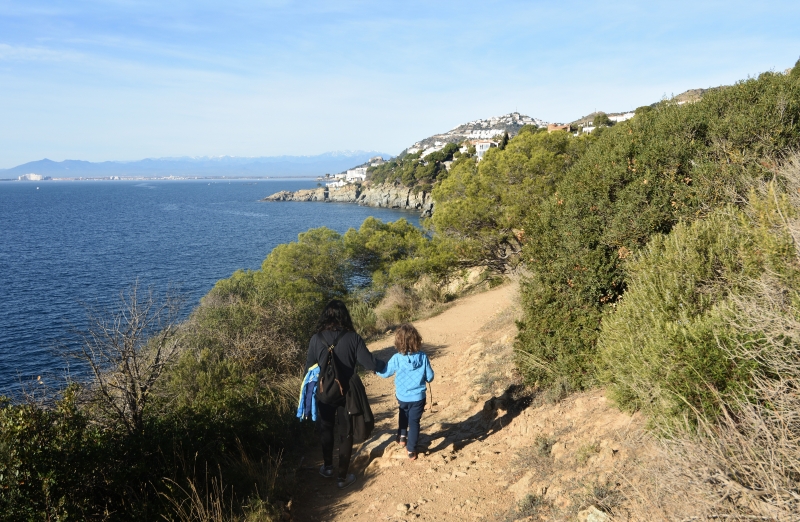
The Camí de Ronda is the coastal walk you came here for, even if you don’t know it yet.
This old path follows the coastline through pine woods, cliff edges, beaches and little fishing villages. Some stretches feel easy and breezy. Others will make your calves have a word with you.
There are two main Camí de Ronda route options: a 43km linear route and a longer 140km circular route that starts and finishes in Girona. If you’re new to it, don’t try to be a hero. Start with a shorter section like Calella de Palafrugell to Llafranc, or S’Agaró to Sa Conca.
Wear proper shoes. Take water. Avoid midday heat in July and August. And leave space on your phone. You’ll need it.
What to Eat in Costa Brava: Local Dishes to Try
Costa Brava is dangerous if you’re the sort of person who says, “We’ll just have a quick lunch.”
Because suddenly there’s grilled fish. Then prawns. Then paella. Then crema catalana. Then someone suggests another glass of wine and, well, there goes the afternoon.
This part of Catalonia is brilliant for seafood, rice dishes, local wine and relaxed meals that don’t need rushing. Here are a few places to add to your list.
Compartir, Cadaqués
Compartir is a polished but relaxed restaurant in Cadaqués, with a Michelin Guide recommendation and a lovely patio-terrace setting.
It’s best for couples, food lovers and anyone who enjoys sharing plates. Think creative Mediterranean dishes, beautifully presented, without feeling too stiff or formal.
Restaurant Feliu, Platja d’Aro
Restaurant Feliu is a great shout for families and hungry beach-day groups. It specialises in paella, fresh fish and barbecue meat, with a big selection of homemade dishes.
It’s practical, friendly and easy to enjoy. Exactly what you need after a day of swimming, walking or pretending not to be tired.
La Lonja, Lloret de Mar
If paella is on your Costa Brava wish list, La Lonja in Lloret de Mar is worth a look. It’s known for seafood and paella, with menu options that make it easy to settle in for a proper meal.
Go when you’re hungry. Really hungry.
Hidden Gems in Costa Brava: Lesser-Known Places to Visit
Empordà wine tours
Beach today, vineyards tomorrow? That’s Costa Brava for you.
The Empordà wine region is a lovely change of pace, with rolling countryside, cellar doors and local wines that taste even better when you’re not the designated driver. Book a guided tour if you want to relax properly.
It’s a great grown-up day out. Slow, scenic and just the right amount of smug.
Begur’s secret coves
Begur is where you go when you want beaches with a little drama.
Sa Tuna, Aiguafreda and Platja Fonda are all beautiful, but they’re not always pushchair-and-beach-cart friendly. Some involve steps, slopes or rocky paths. Worth it? Absolutely. But wear shoes with grip and pack light.
You’ll thank yourself on the way back up.
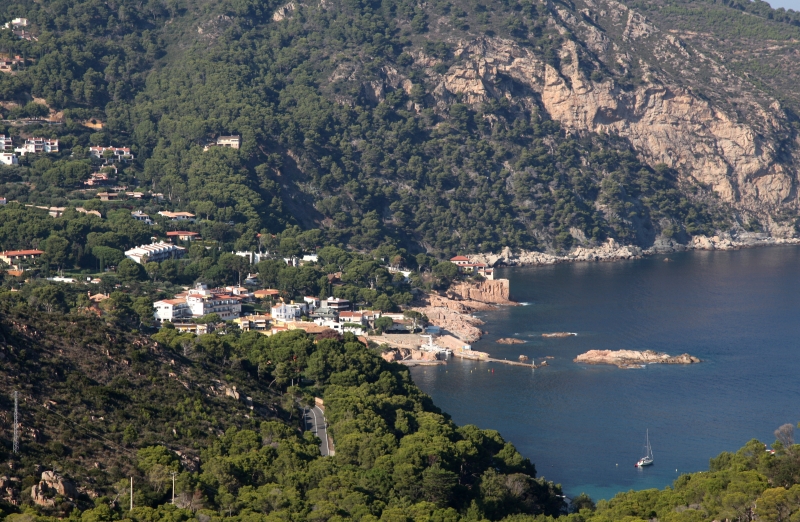
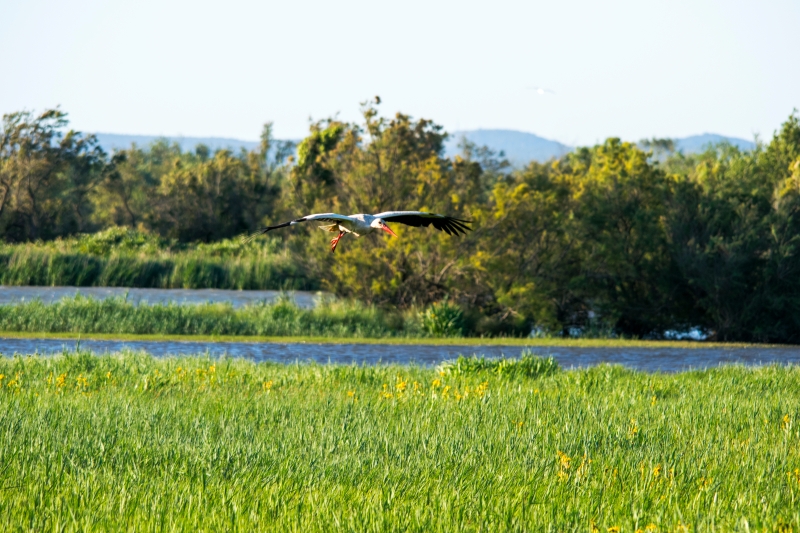
Aiguamolls de l’Empordà Natural Park
For a quieter kind of adventure, visit Aiguamolls de l’Empordà Natural Park.
This protected wetland area has freshwater ponds, reed beds, dunes and brackish lagoons. It’s also an important nesting and wintering area for birds.
Bring binoculars if you have them. Bring snacks if you’ve got children. Bring insect repellent because nature, as beautiful as it is, does like to nibble.
Costa Brava Beaches: Where to Swim, Sunbathe, and Relax
You can’t talk about Costa Brava without talking about the beaches. That would be like talking about Spain and forgetting tapas. Unthinkable.
For easy family days, try Sant Pol, Fenals or Llafranc. They’re pretty, practical and close to places to eat. For smaller coves, look at Aiguablava, Sa Tuna and Cala Pola. These are the “how is the water that blue?” kind of places.
Some beaches are sandy and simple. Others are rocky, tucked-away and need a little effort to reach. That’s part of the fun. Pack water, wear decent sandals and don’t underestimate the walk back after a day in the sun.
For more beach inspiration, our Costa Brava Beach Guide has all the answers.
Costa Brava in a Few Days: Your Short-Trip Itinerary
Only got a few days? Don’t panic. You can still get a proper taste of Costa Brava.
Day 1: Beach, village, repeat
Base yourself around Begur, Llafranc, Calella de Palafrugell or Tossa de Mar. Start with a swim, wander the seafront, then settle into a long lunch. In the afternoon, stroll a gentle section of the Camí de Ronda.
Day 2: Get on the water
Book a kayaking, paddleboarding or snorkelling trip around Begur or L’Estartit. The sea is the main event here, so get in it, on it or at least very close to it.
In the evening, head back to your villa. Pool dip. Shower. Cold drink. Dinner somewhere with grilled fish and outdoor tables.
Perfect.
Day 3: Gardens, old towns and one last meal
Visit Marimurtra Botanical Garden in Blanes or wander Tossa de Mar’s old town. If you’re flying from Girona or Barcelona later, leave time for one final Catalan lunch.
The best way to get around Costa Brava is by car, especially if you want coves, villages and villa freedom. Public transport works between some towns, but a car gives you the “shall we just stop here?” moments. And those are often the best ones.
Costa Brava Cheat Sheet: What You Need to Know
| Best time to visit: May, June, September and early October. |
| Hottest month: August, with average highs around 27°C. |
| Best for families: Lloret de Mar, Blanes, Tossa de Mar and Llafranc. |
| Best for couples: Begur, Cadaqués and Calella de Palafrugell. |
| Best for adventure: Camí de Ronda, Begur, L’Estartit and the Medes Islands. |
| Nearest airports: Girona-Costa Brava and Barcelona. |
| Do you need a car? Not always, but it helps. A lot. |
| What to pack: Swimwear, sun cream, walking shoes, a hat and a light layer for evenings. |
| What to eat: Paella, grilled prawns, suquet de peix, fideuà and crema catalana. |
| Villa holiday mood: Private pool, slow mornings, no buffet queues. Enough said. |
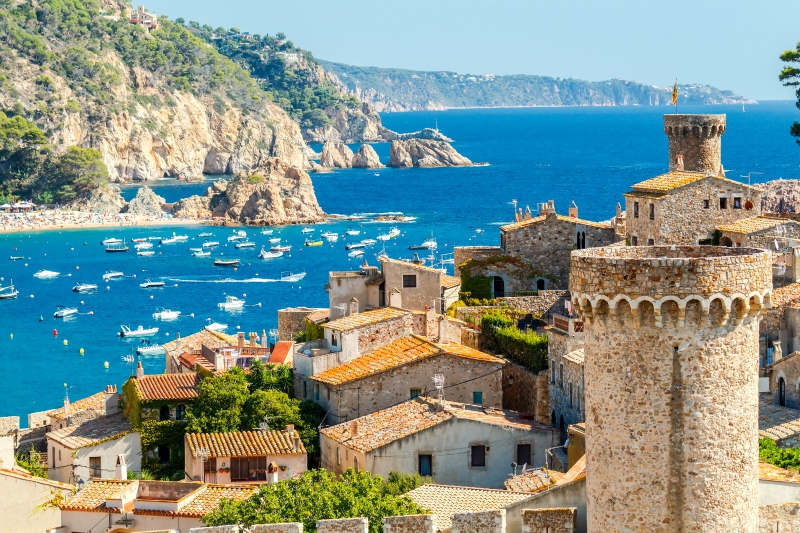
So, there you have it. Costa Brava in all its rugged, sun-soaked glory.
It’s got the family beach days. The hidden coves. The clifftop walks. The long seafood lunches that somehow turn into early evening drinks. It’s lively when you want energy, peaceful when you need space and full of little “shall we stay another day?” moments.
Just you, your favourite people and the Costa Brava coast waiting outside. Bliss.
Costa Brava FAQs
Costa Brava is famous for its rugged coastline, clear water, hidden coves, fishing villages and brilliant food. It gives you the classic Spanish beach holiday, but with more character. Think cliff walks in the morning, sea swims by lunch and grilled seafood by sunset.